
How Scrum Masters Can Overcome Resistance and Foster Collaboration
- Patrick Huynh

- Jul 10, 2023
- 3 min read

Facing resistance as a Scrum Master can be challenging. When a team rejects the Scrum Master and the best practices of the Scrum Framework, it is crucial to address this situation with patience and understanding. This article will share techniques that can help a Scrum Master not only overcome resistance but also foster collaboration within the team. 1. Reflect on the Cause of Resistance Understanding the reasons behind the team's resistance is the first step toward addressing the issue. It's essential to consider the following factors:
Are the team members unfamiliar or uncomfortable with the Scrum Framework?
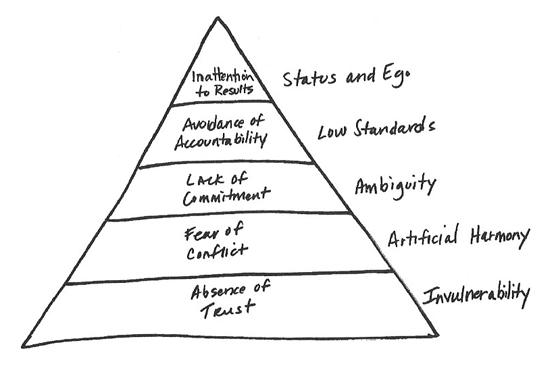
Is there a lack of trust within the team or towards the Scrum Master?
Are there any organizational or external factors affecting the team's attitude?
Once the root cause(s) are identified, the Scrum Master can then develop a tailored approach to address the specific concerns. 2. Build Trust and Strong Relationships Developing trust and strong relationships within the team is vital for the Scrum Master's success. This can be achieved by:
Demonstrating empathy and understanding toward the team's concerns
Actively listening and addressing their questions
Providing support and guidance without being overly directive
Encouraging open communication and creating a safe environment for sharing ideas
3. Educate the Team on Scrum Principles Sometimes, resistance stems from a lack of understanding of the Scrum Framework. In this case, the Scrum Master should focus on educating the team about the following:
The benefits of adopting Scrum
The Roles and Responsibilities within the Scrum Framework
The purpose and value of Scrum events and artifacts
The Scrum Master can use various methods to deliver this information, such as workshops, one-on-one coaching, or external training sessions. 4. Show Flexibility and Adaptability It's essential for the Scrum Master to remain flexible and adaptable when facing resistance. Instead of forcing the Scrum Framework onto the team, the Scrum Master should:
Encourage the team to experiment with different practices
Allow the team to customize the Scrum Framework to suit their unique needs
Continuously inspect and adapt the process based on the team's feedback
5. Involve the Team in Decision-Making Involving the team in decision-making can help create a sense of ownership and commitment to the Scrum process. The Scrum Master can:
Encourage team members to share their opinions and ideas
Facilitate discussions and help the team reach a consensus
Ensure that the team's voice is heard and valued
6. Celebrate Successes and Learn from Failures Recognizing the team's achievements and learning from setbacks is an essential part of fostering a positive and collaborative environment. The Scrum Master should:
Celebrate the team's successes, no matter how small
Encourage the team to reflect on their failures and identify opportunities for improvement
Support the team in continuously improving their processes and practices
What are some common external factors that can affect a team's attitude towards Scrum?
External factors can significantly impact a team's attitude towards Scrum and their ability to adopt the framework successfully. Some common external factors include:
Organizational culture: If the organization's culture is not supportive of Agile methodologies or values, it can be challenging for a team to embrace Scrum. This resistance may stem from a lack of understanding, rigid hierarchical structures, or a history of following traditional project management approaches.
Leadership support: The support and commitment of top management and other key stakeholders are crucial for successfully adopting Scrum. If leadership does not support or understand the Scrum Framework, it can lead to a lack of resources, unrealistic expectations, or pressure to revert to traditional methods.
Resource constraints: Insufficient resources, such as time, budget, or personnel, can hinder a team's ability to effectively adopt Scrum. These constraints may force the team to make compromises that deviate from Scrum best practices, leading to skepticism and resistance.
External dependencies: When a team relies heavily on external vendors, partners, or other teams within the organization that do not follow Scrum or Agile principles, it can create challenges in coordination, planning, and collaboration. This may result in frustration and a negative attitude towards the Scrum Framework.
Regulatory and compliance requirements: In some industries, strict regulations and compliance requirements may make it difficult to adopt Scrum fully. Teams may perceive Scrum as incompatible with these requirements or feel the framework would create additional risks or challenges.
Past experiences: If team members have had negative experiences with Scrum or Agile in the past, it may affect their attitude towards adopting the framework again. This could be due to poor implementation, lack of training, or unrealistic expectations from previous projects.
Change resistance: Adopting Scrum involves significant changes to established processes, roles, and mindsets. Resistance to change is a natural human response, and team members may hesitate to abandon familiar methods and embrace new ways of working.
Understanding these external factors can help the Scrum Master address the team's concerns and develop strategies to create a supportive environment for Scrum adoption and overcome resistance, build trust, and foster collaboration within the team. It's essential to remember that change takes time, and persistence and patience will be key to achieving success in this challenging situation.


Comments