
Overcoming The Five Dysfunctions of a Team in Scrum: A Guide for Scrum Masters
- Patrick Huynh

- Sep 4, 2023
- 4 min read
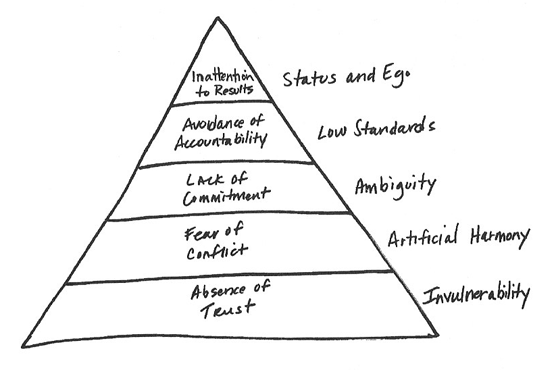
"The Five Dysfunctions of a Team" by Patrick Lencioni is a pivotal reference for any team, outlining the common issues that may arise and hinder their effectiveness. As a Scrum Master, understanding these dysfunctions and how to overcome them is crucial to fostering a successful, high-performing Scrum Team. Let's delve into these dysfunctions — Absence of Trust, Fear of Conflict, Lack of Commitment, Avoidance of Accountability, and Inattention to Results — and explore strategies to address them.
Dysfunction #1: Absence of Trust
Trust is the bedrock of any successful team. When trust is lacking, members are reluctant to be vulnerable, leading to a lack of openness and honesty.
The Problem
In the Scrum context, a lack of trust can significantly impact the team's ability to collaborate effectively, innovate, and adapt to change — all essential aspects of Scrum. Trust gives team members the confidence to express their ideas, admit mistakes, and ask for help, fostering a culture of learning and continuous improvement.
The Solution
As a Scrum Master, you can promote trust in several ways:
Model Trust: Be transparent, admit when you're wrong, and show that you trust the team's abilities. This sets the tone for the entire team.
Encourage Open Communication: Regularly facilitate open and honest discussions. Encourage team members to share their thoughts, ideas, and concerns.
Promote Personal Relationships: Team-building activities, both formal and informal, can help team members get to know each other on a personal level, fostering trust.
Address Issues Promptly: If trust issues arise, address them immediately. Facilitate a conversation between the involved parties and work towards a resolution.
Dysfunction #2: Fear of Conflict
Conflict isn't inherently bad. In fact, healthy conflict around ideas is necessary for a team to grow and innovate. What's detrimental is the fear of conflict, which leads to artificial harmony and stagnation.
The Problem
In Scrum, the fear of conflict can stifle innovation and learning. Team members may avoid disagreements, leading to poor decision-making, suppressed ideas, and unresolved issues.
The Solution
Here's how you, as a Scrum Master, can address this:
Promote Constructive Conflict: Encourage team members to voice differing opinions and ideas. Frame conflict as a way to reach the best solution, not as a personal attack.
Set Ground Rules: Establish norms for disagreements. This could include things like focusing on ideas (not people), listening actively, and maintaining respect.
Facilitate Healthy Debates: During meetings, encourage open discussions and debates. If everyone agrees quickly without discussion, it may be a sign that they are avoiding conflict.
Dysfunction #3: Lack of Commitment
Commitment is about buy-in and clarity. Teams that engage in unfiltered conflict are more likely to commit to decisions because they've had the opportunity to air their opinions.
The Problem
Without commitment, team members may feel detached from their work and the team's goals. In Scrum, this can lead to reduced productivity, lack of focus, and decreased quality of work.
The Solution
To foster commitment in your Scrum team, consider these strategies:
Ensure Everyone's Heard: During planning and decision-making processes, make sure everyone's opinions are considered. This gives team members a sense of ownership and commitment.
Clarify Decisions and Expectations: After a decision is made, clarify what it means for the team, what each person's responsibilities will be, and what success looks like.
Follow Through on Commitments: Encourage the team to keep their commitments, and do the same yourself. This builds trust and further strengthens commitment.
Dysfunction #4: Avoidance of Accountability
Accountability is the willingness of team members to call out peers on performance or behaviors that might hurt the team.
The Problem
Without accountability, team performance can decline, and issues may go unresolved. In a Scrum context, this could mean missed deadlines, poor quality work, or a toxic team culture.
The Solution
As a Scrum Master, fostering a culture of accountability involves:
Setting Clear Expectations: At the start of each sprint, ensure that the goals, responsibilities, and performance standards are clear to all team members.
Promoting Peer Accountability: Encourage team members to hold each other accountable. This can be more effective than hierarchical accountability.
Regular Check-Ins: Use daily stand-ups and sprint reviews to check in on progress and address any issues or obstacles.
Dysfunction #5: Inattention to Results
The ultimate dysfunction is when team members care more about their personal status or ego, rather than the collective team goals.
The Problem
Inattention to results can lead to a lack of motivation, poor performance, and a failure to meet the team's objectives.### The Solution
Scrum Masters can prevent this dysfunction by:
Maintaining Focus on Team Goals: Regularly remind the team of their goals and the importance of each member's role in achieving them.
Celebrating Team Successes: Celebrate team achievements, rather than individual accomplishments, to foster a greater focus on collective results.
Using Metrics Wisely: Use metrics that reflect team performance and progress towards goals, not individual performance.
Conclusion
As a Scrum Master, you play a critical role in mitigating these dysfunctions. Through leadership, empathy, and effective communication, you can foster an environment of trust, healthy conflict, commitment, accountability, and attention to results. This will not only improve your team’s performance, but also create a more positive and fulfilling work environment for your team members.
Remember, overcoming these dysfunctions is not a one-time task, but a continuous effort. It requires ongoing attention, feedback, and adjustment. But the result is worth it: a high-performing, collaborative, and motivated Scrum Team that can tackle any complex project with agility and resilience.


Comments